

Mental Health challenges of Young football players (13-17 years old). Sports are often seen as an opportunity for natural talent to shine worldwide.
Talking specifically about football, we often hear success stories and see how playing for a club or national team changes their lives. Still, we don’t pay attention to those with potential who didn’t get to achieve their dreams due to different reasons.
Not very long ago, mental health was one of the ignored topics by every concerned department. In recent years, some attention has been paid to this sensitive issue, but still, there are some departments where the importance of mental health isn’t talked about enough. With that said, we’re going to discuss the mental health of youth football players, the problems they face, and the needed steps to improve their mental health status.
There is no doubt that sports and exercise have many mental health benefits for youth players. It improves their self-esteem, Social skills, Discipline, less eating orders, and improved general behavior like not participating in risky behavior. However, there is another side of the story, which is much needed to be noted.
Football is the most famous sport globally, thus the most demanding. Thousands of youth players are enrolled in academies to make this game their profession. At a time when different exercises make them better physically, there is a high risk of catching mental health problems due to pressure, failure, injuries, deselection, poor relationships with coaches and teammates, etc.
At a time when football has been in more demand, it has caused adverse effects on youth players in the form of an increase in orders which causes young athletes to challenge their capabilities in the developmental years and forces them to do more and more hours of training. It also forces youth players to leave their homes and set to an adult life in a well-reputed academy far from home to meet the expectations in this high-demanding sport.
Nowadays, academies put pressure on young players with hours of training and, at the selection time, ignore the deselected players, putting them into a psychologically challenging situation. It’s miserable that sports, meant to provide entertainment, are neither empathetic nor encouraging for people facing weaknesses by pushing them to only excellence all the time.
As we all know, mental health includes our emotional, psychological, and social well-being; it affects how someone thinks, feel, and act. Moreover, it helps to determine how a person handles stress, makes choices, and relates to others. Mental health is essential at every stage of life, from childhood to adolescence through adulthood.
Mental health problem affects our body in the worst way possible, causing abnormal thoughts, moods/behavior, or feelings.
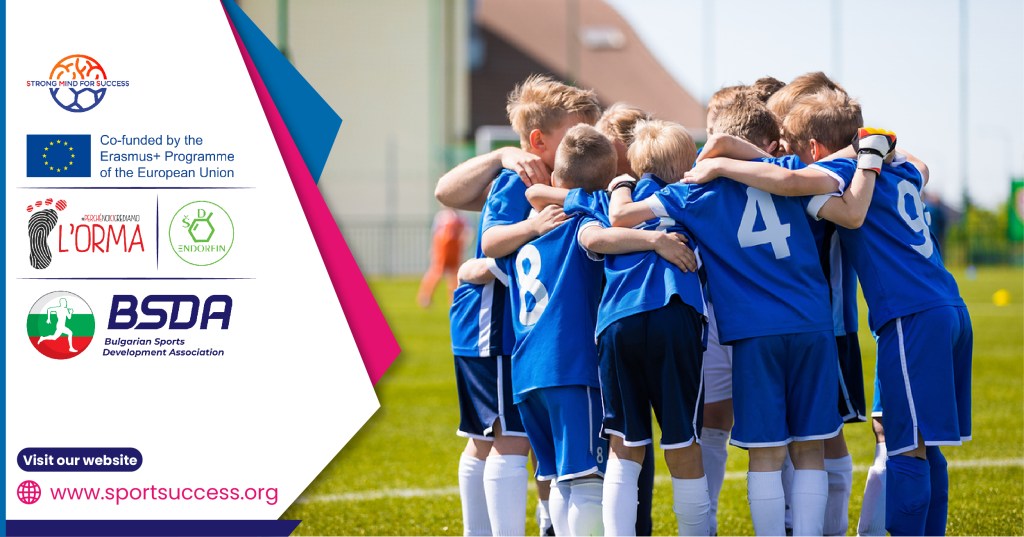
Causes of Mental health in youth players:
There are many causes of mental health issues in youth football players, and some are interlinked.
* Consistent Injuries:
Many studies have been taken, and it’s reported that youth players who get injured more than three times in a short period are more likely to have mental health problems. It’s worth mentioning that those problems can appear later as well.
According to a Danish study, it has been found that youth players who get injured are 20% more likely to report symptoms of common mental disorders.
* Poor Relationship with Coach and Teammates:
According to several studies, it’s been found that poor relationships a player with their coach and teammates affects very much mental health. As they’re at the start of their careers, lack of support from coaches or teammates causes them very much due to their young age when they’re still emotionally vulnerable; sensitive.
* Poor Performance/Career Dissatisfaction:
As mentioned above, football is a highly demanding game, and youth players who don’t get to perform according to the expectations attached to them are very likely to have mental health problems. Every four in ten USA youth players are experiencing a mental health crisis by feeling sad or hopeless.
* Adolescent Years:
Another primary reason why young football players (13-17 years old) face mental health problems; is stress because these are the adolescent years, and in these years, youth players also go through many changes and engagement in athletic endeavors, giving an additional source of stress. With that said, physical exercises may have a negative psychological and emotional impact on their health in their adolescent years. Moreover, this is when Young athletes develop cognitively and physically and face problems like fear of failure, adverse effects on academics due to focus on sports and parental pressure, etc.
* Lack of Support from Academies:
Most youth academies don’t have a proper structure to address this issue with their players and work on solutions and prevention. All the academies should have a proper setup of counseling to help each player with any psychological problem they’re facing.
* Rejection/Deselection:
Hundreds of youth players go to academies, and it’s a fact that some of the players aren’t on the required level to be selected for the club teams. But they need to set up a proper setup to keep those deselected players motivated throughout that period to prevent them from going through trauma.
Through several studies, it has been reported that deselected or rejected players face mental health problems like low self-esteem, depression, and anxiety. These problems can lead to long-term feelings of loss, loss of identity, and trauma.
A study was taken involving two kinds of players, deselected and selected players. The results showed that 55% of the deselected players had mental health problems (psychological distress).
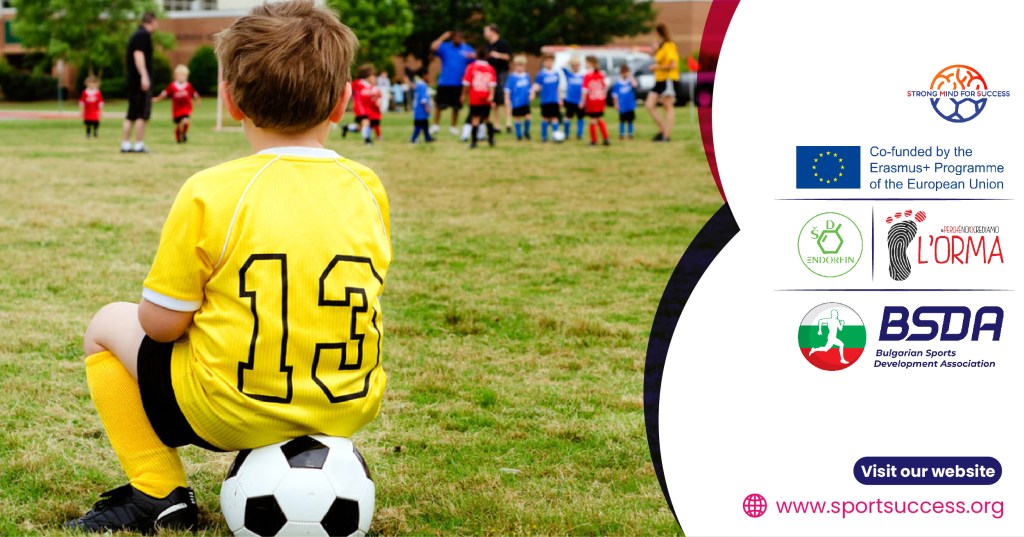
In a most-demanding game like football, youth players under high pressure and expectations because of not having any other place to go are more likely to have poor mental health.

What needs to be done?
It’s not easy to determine whether a player has mental health problems. It’s essential to spot them in the early stages. It can be helpful for that player as early intervention is vital in mental health problems. This can be done by paying attention to the low-motivated, introverted, deselected players by the club and teammates.
We also need to understand that mental health problem is as significant as physical health and the suffering person needs care and support with the same commitment.
And to do that, academies will have to introduce a culture that facilitates conversations regarding mental health. To apply those changes, coaches will have to play a vital role. According to a study, only 10-15% of all youth coaches are adequately trained in mental health skills.
As our focus is on youth players, they don’t open up to anyone and focus on moving forward, fearing that talking about this would negatively affect their careers.
Moreover, even if they want to talk about it, they don’t know how to find exact words to describe their anxiety and what makes their situation worse is a yelling response by their coach after they make a mistake.
An important thing to keep in mind here is that every person is different when it comes to mental health. So there is not any one-size-fits-all solution. With that said, academies should deal with each player separately with total commitment and passion.
Here comes #SMS – Strong Mind for Success, which will create useful tools for mental health of young players:
- Gathering as much information as possible through focus groups and a survey based on how important is mental well-being and the obstacles which may arise while striving for development in football;
- Implementing local activities based on mental health awareness in sport and workshops with the players and coaches;
- Educational platform which will serve as a tool for the young players to use when they want to learn more or attack their own mental health issues directly;
- Creating an #S.M.S Edition Handbook with information on what is mental health, its importance in the 21st century and how a more holistic approach can be used to maximise the skill of the youth football players;
- Ensure good practices transfer between project partners.
Keep tuned for #SMS results!
 Strong Mind for Success
Leave a comment